Your First 90 Days with IHT: A Week-by-Week Roadmap for New Investors
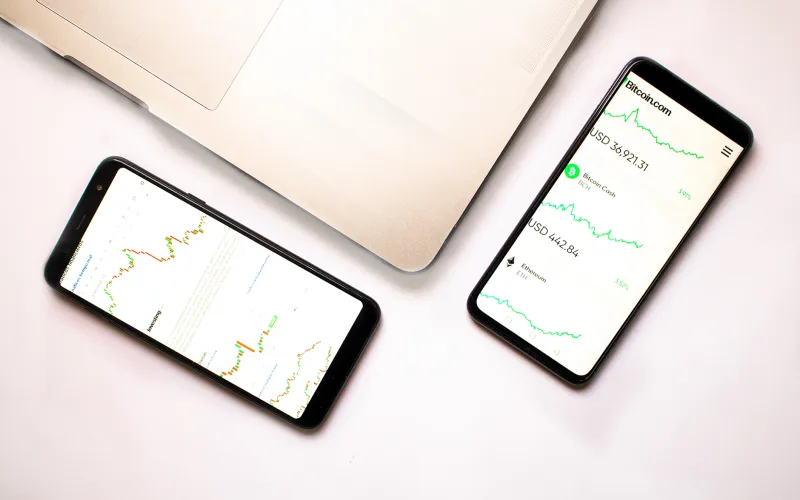
Every seasoned IHT holder was once staring at an exchange screen, cursor hovering, wondering if they were doing this right. The difference between people who build lasting conviction and people who panic-sell in week three usually isn't luck — it's structure.
So here's a structure. Think of your first 90 days with IHT as a quarter with three phases: secure, start, and scale. Follow it at your own pace, and by day 90 you'll have a position you understand, a setup you trust, and a plan you can articulate to anyone who asks why you're here.
Days 1–30: Build the Foundation Before You Buy
Week 1: Get your security house in order
Before a single dollar moves, set up the boring-but-critical stuff. Choose a reputable hardware wallet or a well-reviewed self-custody wallet, write your seed phrase on paper (not a screenshot, not a notes app), and store it somewhere a house fire or a curious houseguest can't reach. Enable two-factor authentication everywhere it's offered. This week feels unglamorous, but it's the single highest-return hour you'll spend this quarter.
Week 2: Pick your on-ramp and make a tiny first purchase
Choose a US-accessible exchange that lists IHT, complete verification, and link your bank account. Then make your first purchase deliberately small — enough to learn the mechanics without stress. Practice the full loop: buy, withdraw to your own wallet, and confirm the transaction on a block explorer. That first successful self-custody withdrawal is a genuine milestone. Most people who get burned in crypto skipped it.
Weeks 3–4: Learn the lay of the land
Spend this stretch in learning mode. Read the IHT project documentation, understand what the token actually does within its ecosystem, and get a feel for typical volatility. Set up price alerts rather than compulsive chart-checking — your future self will thank you. Start a simple journal: note what you bought, why, and what you expected. Ninety days from now, that journal becomes the most honest performance review you'll ever get.
Days 31–60: Size Up and Settle In
Weeks 5–6: Establish your position sizing
Now that the mechanics are second nature, decide what IHT's role is in your overall financial picture. A common starting framework many US investors use: only allocate what you'd be comfortable seeing draw down 50%+ in a rough stretch, and consider dollar-cost averaging in with recurring weekly buys rather than one lump sum. DCA smooths out volatility and removes the agony of timing the perfect entry — which nobody actually does consistently.
Weeks 7–8: Get connected
Join the official community channels — the project's Discord, Telegram, and X account are where updates, AMAs, and staking announcements land first. Lurk for a few days, then start asking questions. The community is one of IHT's genuine strengths, and the fastest way to accelerate your learning is to hang around people who've held through multiple cycles.
Days 61–90: Put Your IHT to Work
Weeks 9–10: Set your staking goals
By now you know your timeline and risk comfort. Time to put a portion of your stack to work. Review the available staking pools with a critical eye — look past headline APRs to lock-up terms, compounding frequency, and platform reputation. A sensible starter approach: stake a portion you won't need in a liquid or flexible pool, and keep some unstacked powder dry.
Weeks 11–12: Lock in your rhythm and review
Close out your first quarter with a review session. Look at your journal from week two. What did you get right? What surprised you? Set three concrete goals for the next quarter — examples: complete your DCA schedule, reach a target staking allocation, or finally understand the tokenomics well enough to explain them to a friend at a backyard barbecue.
Why Ninety Days Works
A quarter is long enough for volatility to test your emotions, for a community to feel familiar, and for staking rewards to hit your wallet a few times — but short enough that you can adjust course without regret. The goal of these 90 days was never to get rich. It was to go from curious newcomer to informed holder with a system.
Do that, and you're not just holding IHT anymore. You're an investor with a process — and that's the position from which every good decision gets made.