Plant in Spring, Rest in Winter: A Heartland Framework for Timing Your IHT Moves
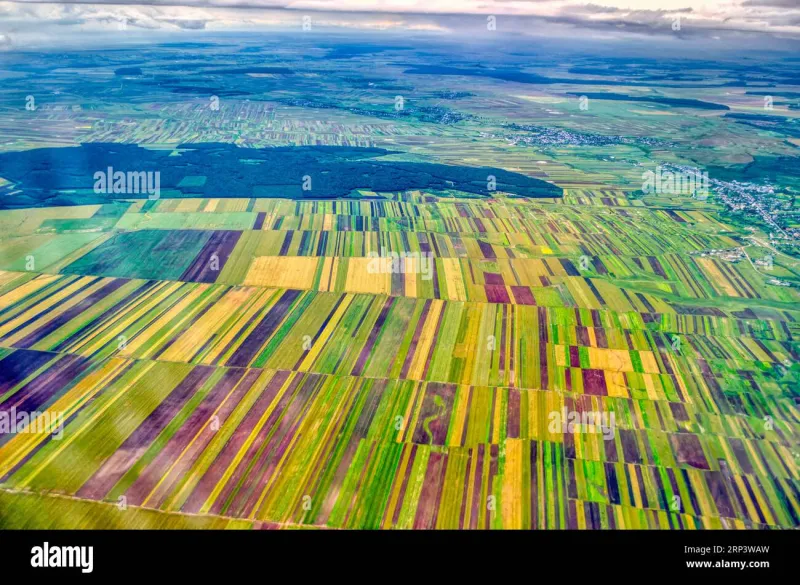
Photo: american midwest farmland seasons changing aerial view, via c8.alamy.com
Ask any corn farmer in Iowa what they think about a rainy Tuesday and they'll shrug. Weather isn't good or bad — it's just a season doing its job. Crypto markets work the same way, and once you start reading IHT price action like a farmer reads the sky, a funny thing happens: the anxiety drains out of the whole endeavor.
Every Market Has a Growing Season
Bull markets get all the attention, but they're really just harvest time. Nobody plants in October and expects a crop by Thanksgiving. The accumulation that pays off during a rally happens months — sometimes years — earlier, quietly, when prices are boring and headlines have moved on to the next shiny thing.
Think of the IHT market in four rough phases:
- Spring (accumulation): Prices are muted, volume is light, and most folks have lost interest. This is planting season. Steady buys now are seeds in the ground.
- Summer (growth): Momentum builds, charts trend upward, and your staked IHT is compounding in the warm sun. Mostly a season of patience — don't dig up your seeds to check on them.
- Fall (harvest): Euphoria sets in. Newcomers flood in, prices run hot. This is when trimming a portion of your stack or rebalancing can make sense — you're harvesting, not abandoning the farm.
- Winter (dormancy): Prices cool, sentiment sours, and the fair-weather holders leave. Winter looks like failure but it's actually maintenance season: restake, review your positions, and prepare for the next spring.
Why Emotion Is the Worst Weather Vane
Here's the uncomfortable truth: most retail investors buy at the peak of summer and sell in the dead of winter. They're trading on feeling — and feelings are calibrated exactly backwards. Excitement peaks when prices are expensive; despair peaks when they're cheap.
The farmer's antidote is a calendar. You don't plant because you feel hopeful; you plant because it's April. Applying that to IHT means setting rules in advance:
- A recurring buy schedule — a set dollar amount weekly or monthly, rain or shine. Automate it so your mood never gets a vote.
- A staking commitment — rewards keep accruing in every season. A dormant market is when compounding does its quietest, best work.
- A harvest rule — decide now what would trigger a partial trim (a portfolio percentage target, a life goal like a down payment) so you're not improvising during the euphoria.
Reading the Signs Without a Crystal Ball
You don't need to predict the weather to dress appropriately for it. A few practical indicators can tell you roughly which season you're in:
- Sentiment check: When nobody at the cookout is asking about crypto, you're probably in spring or winter. When your barber is giving altcoin tips, that's late summer.
- Volume and volatility: Quiet, drifting prices mark the dormant phases. Violent swings with heavy volume usually signal a transition.
- Project fundamentals: Development activity, partnerships, and ecosystem growth continue through winter. If the fundamentals are strong while the price sleeps, that's a field lying fallow — not a dead field.
Let the Crop Grow
The hardest skill in farming and in crypto is the same one: doing nothing. Once seeds are in the ground, a farmer who digs them up weekly to check the roots will kill the whole crop. Constantly checking your IHT balance has the same effect — not on the token, but on your resolve.
Set your plan, stake your coins, and then go live your life. Check in quarterly, not hourly. Rebalance on a schedule, not on a headline. The investors who do well over a full cycle are rarely the smartest traders in the room — they're usually just the ones who understood what season it was and acted accordingly.
Winter always ends. Spring always comes. The only question is whether you'll have seeds in the ground when it does.